
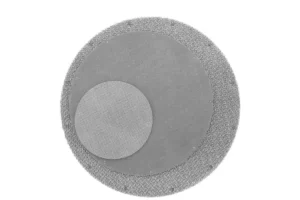

Industrial Extruder Filter Meshes by Material
The performance of a polymer melt filtration system is fundamentally defined by the metallurgical integrity of the Extruder Filter Mesh utilized. In high-stakes industrial environments, selecting the appropriate material is critical for maintaining thermal stability and ensuring long-term corrosion resistance under extreme operating pressures. Whether your process involves high-speed plastic extrusion, precision chemical fiber spinning, or heavy-duty recycling, the chemical compatibility of your industrial extruder filter screen directly impacts the purity of the final resin and the lifespan of your screen changer.
At Yangzhou Xuancheng Filter Screen Co., Ltd, we provide precision-engineered filtration solutions tailored to diverse industrial applications under the Quality Management System of ISO9001:2015. Our inventory ranges from standard stainless steel wire cloth for general processing to high-performance alloys designed for chemically aggressive environments. Beyond our standard grades, we offer full customization services for specialized alloys, which can ensure your filtration media meets exact OEM specifications and provides optimal mechanical strength for even the most demanding thermoplastic and polymer manufacturing requirements.
High-Performance Materials for Extruder Filter Meshes
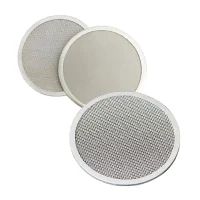
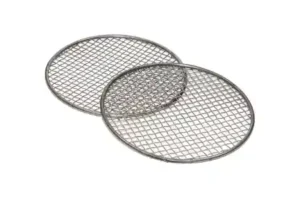
Grade 304 Stainless Steel Screens
Usage Scenario: As the most cost-effective solution, SS 304 is widely used for general plastic extrusion and basic melt filtration. It provides a perfect balance of tensile strength and durability for non-corrosive polymer processing.
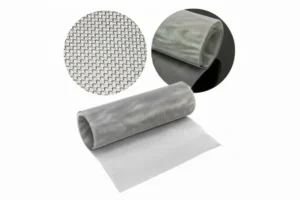
Grade 316 & 316L Stainless Steel Mesh
Usage Scenario: Specifically engineered for highly corrosive polymers or food-grade filtration systems. SS 316L offers superior acid and alkali resistance, making it the industry standard for pharmaceutical and specialized chemical extrusion.
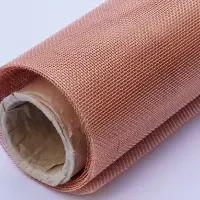
Pure Copper Filter Mesh
Usage Scenario: It is well known for its excellent thermal conductivity and soft texture. Pure copper mesh is ideal for precision mold cleaning and applications requiring sensitive heat distribution during the filtration process.
It is suitable for industrial filtration, EMI shielding, ventilation, and precision screening.

Brass Wire Cloth for Filtration
Usage Scenario: Featuring high abrasion resistance, brass wire mesh is frequently utilized for the coarse filtration of recycled materials. It can effectively remove large particulates before fine processing.
It is ideal for industrial, architectural, and laboratory applications

Nylon Extruder Screens
Nylon mesh screen is a lightweight, flexible, and cost-effective filtering solution. It is the perfect ideal for food-grade filtration, liquid straining, laboratory testing, and fine particle separation. Made from high-quality nylon mesh, it offers excellent chemical resistance, durability, and consistent mesh openings. It is suitable for both industrial and precision screening applications.
Polyester Mesh Screen
Polyester mesh screen is a durable, lightweight, and moisture-resistant filtering solution designed for liquid filtration, dust separation, printing, and industrial screening. With its high tensile strength, excellent dimensional stability, and consistent mesh openings, polyester mesh is good for long-term use in industrial, commercial, and precision filtration applications.
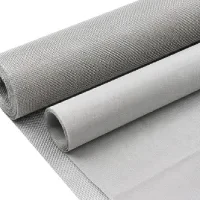
Nickel-Based Alloy Filters
Usage Scenario: The ultimate choice for fluoroplastic extrusion and environments with extreme chemical corrosion or temperatures exceeding 500°C. These alloys ensure zero contamination in high-end polymer production.
Galvanized Steel Filter Mesh
Usage Scenario: A budget-friendly, disposable filtration option for short-run production cycles or low-requirement extrusion tasks.
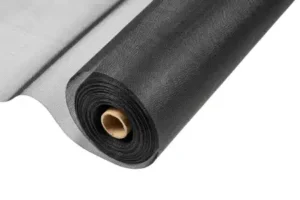
Black Wire Cloth (Iron Mesh)
Usage Scenario: The preferred material for rubber extrusion and low-cost plastic recycling. It offers high mechanical strength for filtering dense, high-viscosity materials.
Technical Comparison of Extruder Filter Meshes Materials
Selecting the optimal filter media is critical for maintaining the purity of the polymer melt and ensuring the longevity of your extrusion equipment.
<1>For high-volume plastic recycling, cost-effective SS 304 or Black Wire is often preferred.
<2>For precision food and medical-grade applications, the superior corrosion resistance of SS 316L will perform better.
<3>In specialized sectors like aerospace and fluoropolymer processing, extreme-temperature alloys such as Inconel 600 provide the necessary oxidation resistance and structural integrity.
Consult the technical comparison chart below to match the specific thermal and chemical properties of our materials with your production requirements.
| Material Grade | Max Operating Temp | Corrosion Resistance | Oxidation Resistance | Melting Point | Primary Application |
|---|---|---|---|---|---|
| SS 304 | 400°C−450°C | Moderate | Good | 1400°C−1450°C | Standard Plastic Extrusion |
| SS 316L | 450°C−500°C | Excellent (Acid/Alkali) | Very Good | 1375°C−1400°C | Food & Chemical Grade Melt |
| Pure Copper | 250°C−300°C | Low (Oxidizes easily) | Low | 1085°C | Thermal Conductivity / Cleaning |
| Brass Mesh | 250°C−350°C | Good (Atmospheric) | Moderate | 900°C−940°C | Coarse Recycling Filtration |
| Nylon (PA6/66) | 80°C−120°C | High (Alkali Resistant) | Low | 220°C−260°C | Fine Particle Water/Oil Filtration |
| Polyester (PET) | 130°C−150°C | High (Acid Resistant) | Moderate | 250°C−260°C | Pre-filtration & Dust Collection |
| Inconel 600 | 700°C−1100°C | Extreme (Chemical) | Exceptional | 1350°C−1410°C | Fluoropolymer / Aerospace |
| Black Wire | 150°C−200°C | Very Low | Low | 1500°C | Rubber / Low-cost Recycling |
Temperature Limits of Different Metals
In the polymer melt filtration process, exceeding the thermal threshold of a metal can lead to mesh deformation or “softening.” While Stainless Steel 304 is sufficient for most polyolefin processing ($200°C – 280°C$), advanced engineering plastics like PEEK or PTFE require the high-temperature stability of Nickel-based alloys or SS 316L.
Oxidation Resistance at High Temperatures
Oxidation can cause the wire surface to scale and will lead to potential contamination of the melt. Chromium-rich alloys (like SS 316L and Inconel) form a protective passive layer that prevents scaling even during continuous operation in high-heat extrusion cycles.
Melting Point Considerations for Polymer Processing
While the melting point of most industrial metals is far above polymer processing temperatures ($180°C – 350°C$), the structural integrity near the melting point is what matters. Materials like Brass and Copper have lower melting points compared to Iron-based alloys, which must be factored in when designing high-speed, high-friction extrusion dies to prevent metallic fatigue.
During these extruder filter materials, we mainly supply SS304 and SS316 extruder filter screens and stainless steel wire mesh. So we would also like to make a comparison table of these materials.
Stainless Steel Material Composition (Chemical Content)
| Material Grade | Chromium (Cr) | Nickel (Ni) | Molybdenum (Mo) | Carbon (C) | Key Advantage |
|---|---|---|---|---|---|
| SS 304 | 18% - 20% | 8% - 10.5% | - | ≤ 0.08% | Universal grade, high cost-performance. |
| SS 304L | 18% - 20% | 8% - 12% | - | ≤ 0.03% | Ideal for welded screen packs. |
| SS 316 | 16% - 18% | 10% - 14% | 2% - 3% | ≤ 0.08% | Superior resistance to corrosion & pitting. |
| SS 316L | 16% - 18% | 10% - 14% | 2% - 3% | ≤ 0.03% | Best for high-temp, acidic extrusion. |
Product List By Material

What about the Cost of Extruder Screen Meshes?

Request a Quote Now!
FAQ on Extruder Filter Meshes
What are the main materials for extruder filters?
- Common materials include stainless steel, copper, brass, nylon, and polyester. Each material is chosen for specific durability, chemical resistance or flexibility.
What micron ratings can you provide?
Micron ratings depend on mesh structure and material type. Custom requirements can usually be discussed based on your application.
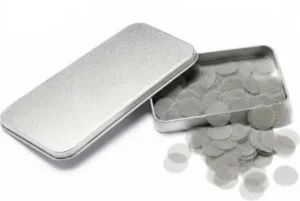
Can stainless steel mesh filter discs be reused?
Of course, many stainless steel mesh filter discs are washable and reusable, especially in industrial filtration systems.
Do you offer custom sizes and shapes?
Yes, we are stainless steel mesh filter disc factory, custom diameters, shapes, mesh counts, and edge treatments are both available.
How do I choose the right mesh size?
Choosing the correct mesh size depends on your application. A fine mesh circular screen works best for filtering small particles like powders or fine liquids, while a coarse industrial mesh screen is better for larger particles such as sand, grains or aggregates.
What is the difference between Grade 304 and Grade 316?
- Grade 304: The industry standard. It offers excellent strength and durability for most residential areas.
- Grade 316: Contains molybdenum, which provides superior resistance to chlorides (salt). It is highly recommended for coastal properties (within 5-10km of the ocean) to prevent “tea staining” or surface rust.
Are stainless steel mesh discs better than nylon mesh filters?
Stainless steel mesh discs are more durable, corrosion-resistant and suitable for heavy-duty industrial applications. While nylon or polyester mesh filters are lightweight, flexible, and more cost-effective for lighter filtration tasks.
What are the applications of copper and brass mesh screens?
Copper screens are used for filtration and EMI shielding, while brass screens are used for filtration, ventilation and decorative purposes.