
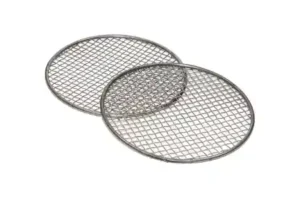

Industrial Extruder Filter Screens by Applications
Quick Answer: Extruder filter screens applications are essential across diverse industries, from plastic recycling and pipe extrusion to high-precision blown film and synthetic fiber spinning. The choice of filter—ranging from coarse single layers to multi-layer rimmed screen packs—directly impacts melt purity, pressure stability, and the final product’s structural integrity. Matching the right micron rating to your specific application can reduce production scrap rates by up to 20-30%.
Detailed Industry-Specific Filtration Solutions
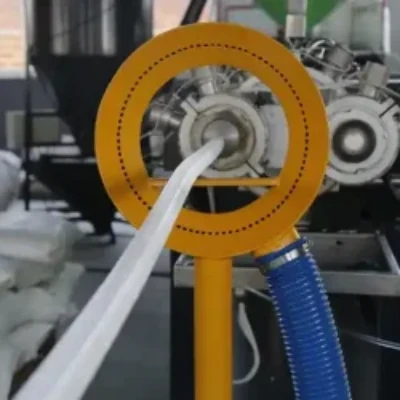
Plastic Recycling & Pelletizing (PCR/PIR)
Technical Detail: Recycling lines often deal with high loads of paper, foil, and wood contaminants. Filters must withstand frequent back-flushing or continuous screen changes.
Expert Advice: Use Aluminum Rimmed Packs to prevent edge leakage under high torque and pressure. A graded density structure (e.g., 20/80/20 mesh) is ideal for extending service life.
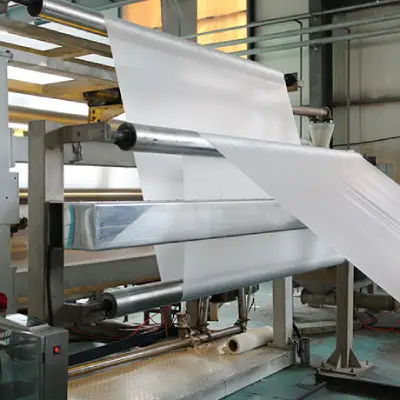
Blown Film & Multilayer Packaging
Technical Detail: Film production is sensitive to “Gels” and “Specks.” Even a 50-micron impurity can cause a bubble break or surface defect.
Expert Advice: We recommend Stainless Steel Framed Fine Mesh (150-325 Mesh) to ensure absolute melt homogeneity and prevent downtime in high-speed lines.
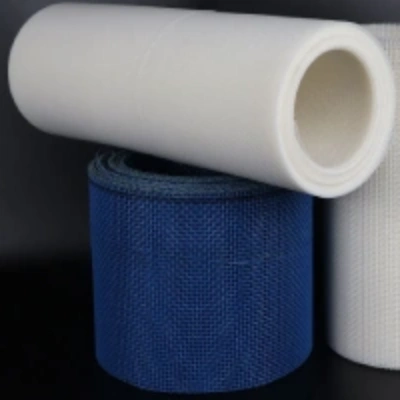
Pipe, Tube & Profile Extrusion (HDPE/PVC)
Technical Detail: Requires consistent flow for dimensional stability. Often uses cylindrical or candle filters to increase the effective filtration area.
Expert Advice: Standard SS 304 Mesh Packs provide the best balance of cost and performance for construction-grade materials.
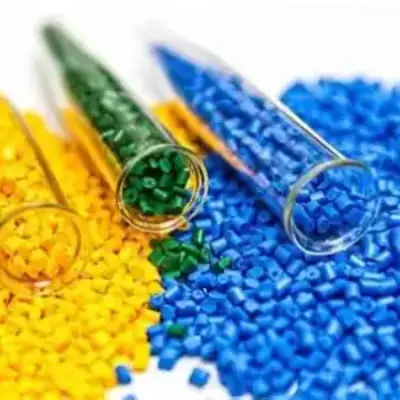
Precision Optical & Medical Grade Plastics
Technical Detail: Absolute purity is mandatory. Any carbonization or wire migration is unacceptable.
Expert Advice: Utilize Copper Edged Sintered Discs. The copper rim ensures a 100% airtight seal, while sintered media prevents any wire fragments from entering the melt.
Application Matrix: Finding the Right Filter for Your Industry
Choosing the correct filtration media requires a balance between contaminant load and required melt clarity. High-contamination processes like PCR (Post-Consumer Resin) recycling demand heavy-duty support, while optical-grade film production requires ultra-fine precision. Use the industry matrix below to identify the optimal specifications for your application
| Application Field | Contamination Level | Required Precision | Recommended Filter Type |
|---|---|---|---|
| Plastic Recycling | High | 100 - 400 μm | Coarse Mesh / Multi-layer Rimmed |
| Blown Film (PE/PP) | Medium | 40 - 100 μm | Fine Mesh / Sintered Web |
| Pipe & Profile Extrusion | Low to Medium | 80 - 200 μm | Standard Mesh Packs / Cylinders |
| Optical & Medical Film | Very Low | 5 - 40 μm | Ultra-fine Copper Edged / Sintered |
| Sheet & Board Extrusion | Medium | 60 - 150 μm | Reinforced Stainless Steel Packs |
Product List By Application
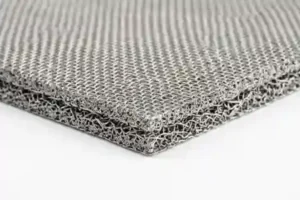
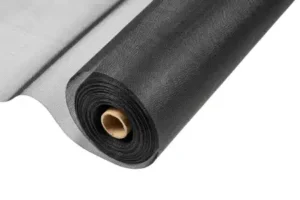
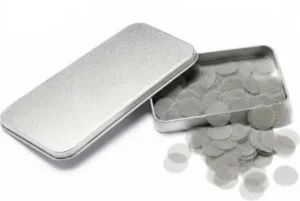
What about the Cost of Extruder Screen Mesh?

Request a Quote Now!
FAQ on Extruder Filter Mesh Applications
What mesh size is best for PE film extrusion?
Typically, a combination of 80 to 150 mesh is used. For ultra-thin films, a 250 mesh inner layer is recommended to eliminate microscopic gels.
How can I stop "black specks" in my medical tubing?
Switch to Copper Edged Filters Screen Mesh. The superior sealing prevents material stagnation at the edges, which is the primary cause of carbonization and black specks.
Which filter lasts longest in recycling applications?
Sintered Wire Mesh filters last the longest because they can be cleaned and reused multiple times, despite a higher initial cost.
Do you offer custom sizes and shapes?
Yes, we are stainless steel mesh filter disc factory, custom diameters, shapes, mesh counts, and edge treatments are both available.
Can you provide custom shapes for non-standard extruders?
Yes. We offer Kidney-shaped, Oval, and Rectangular filter meshes for specialized profile extrusion and unique screen changer designs.
Are these filters safe for food packaging applications?
Our SS 316L extruder filters meshes are fully compliant with FDA and SGS requirements which can ensure no heavy metal leaching into the polymer. (Reference: SGS Authority Wiki)