
How to Clean Stainless Steel Coffee Filter: Keep Your Brew Fresh and Flowing
- By Nicoo Tong
- Last Updated: August 18, 2026
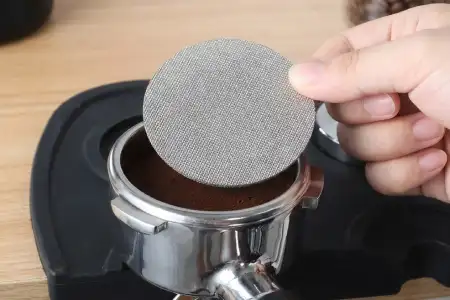
A stainless steel coffee filter is a fantastic eco-friendly investment for any coffee lover. Most high-quality coffee filters are made from 304 stainless steel, known for its excellent corrosion resistance and durability. However, over time, coffee oils and micro-grounds can clog the ultra-fine mesh (typically 100 to 400 mesh), which will lead to a bitter taste and slow drainage.
Knowing how to clean a stainless steel coffee filter properly will not only extend its lifespan but also ensure every cup of coffee tastes as pure as the first.In this professional guide, we will cover daily maintenance, deep cleaning, and the “Don’ts” of mesh care.
Understanding the Material: Why Stainless Steel?
Not all metals are created equal. When a metal screen is subjected to high heat, its chemical stability is put to the test.
What Makes Stainless Steel Unique?
Stainless steel is an alloy, primarily made of Iron, Chromium (at least 10.5%), and Nickel. The crucial element here is Chromium. When exposed to oxygen, it forms an microscopic, self-healing layer of Chromium Oxide on the surface. This is the “passive layer” that makes it stainless (corrosion-resistant).
Food-Grade vs. Industrial-Grade
This is where safety begins.
Industrial-Grade: May contain higher levels of impurities, carbon, or unsafe oils from the manufacturing process. These are NOT safe for heating and inhalation.
Food-Grade (e.g., T304) & Medical-Grade (e.g., T316): These alloys are strictly controlled for purity. They are designed to withstand high heat and corrosive environments without leaching harmful chemicals.
1. Daily Maintenance: The Post-Brew Rinse
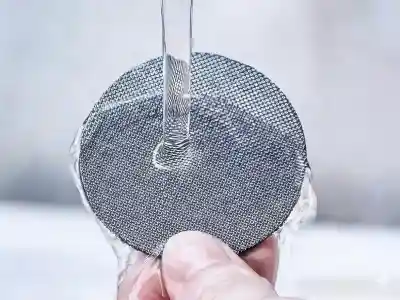
To prevent severe clogging, you should perform a quick clean after every use.
Discard Grounds: Tap the filter gently to remove most of the coffee grounds.
Warm Water Rinse: Use warm water through the mesh from the outside in (reverse flow) to push out trapped particles.
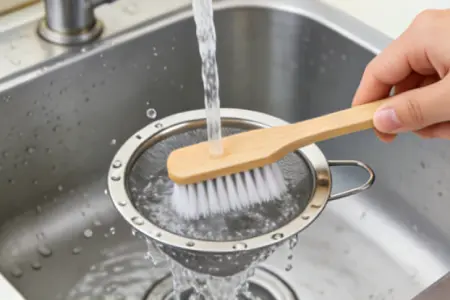
Soft Brush Scrub: Use a soft-bristled brush with a drop of mild dish soap to gently scrub the mesh.
Air Dry: Shake off excess water and let it air dry completely to prevent water spots.
2. Deep Cleaning: When the Flow Slows Down
Once a month (or if you notice slow drainage), your filter needs a deep clean to dissolve stubborn coffee oils (caffeol) and mineral deposits.
Method A: The Vinegar & Baking Soda Soak (Natural)
Mix: 1 part white vinegar to 3 parts warm water. Add a tablespoon of baking soda.
Soak: Submerge the filter for 30–60 minutes.
Scrub & Rinse: Scrub gently with a brush and rinse thoroughly.
Method B: Boiling Water Method (Heat Power)
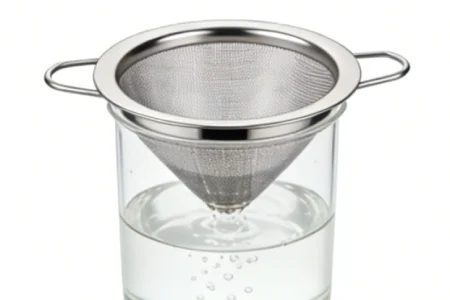
Place the filter in a pot of water with a little dish soap.
Bring to a boil for 5–10 minutes. This thins the oils trapped inside the multi-layer or sintered mesh.

Comparison: Cleaning Methods for Different Mesh Types
| Cleaning Method | Best For | Effectiveness | Mesh Safety |
|---|---|---|---|
| Daily Rinse | Plain Weave (100 Mesh) | Low | High |
| Vinegar Soak | All Mesh Types | High (Removes Minerals) | High |
| Boiling Water | Sintered/Multi-layer Mesh | Excellent (Removes Oils) | High |
| Ultrasonic Clean | Ultra-fine (400+ Mesh) | Professional Grade | High |
3. Professional Tip: Ultrasonic Cleaning
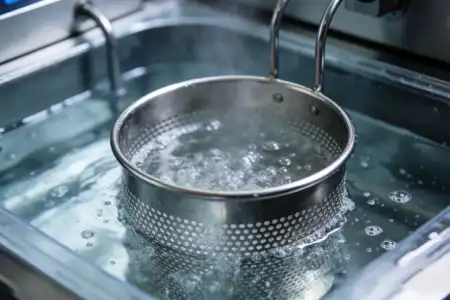
If you are using a professional-grade sintered stainless steel filter that seems permanently clogged, an ultrasonic cleaner is the ultimate solution.
The high-frequency waves create “cavitation bubbles” that blast away microscopic debris from inside the complex mesh structures that brushes can’t reach.
What to AVOID (The "Don'ts")
NO Metal Scrapers: Never use a metal knife or wire brush. This will damage the wire diameter and ruin the filtration precision.
NO Bleach: Bleach can cause pitting corrosion on lower grades of stainless steel. Stick to vinegar or specialized cleaners.
Avoid Excessive Force: Aggressive scrubbing can warp the mesh, changing the aperture (opening size).
Conclusion: Clean Mesh = Better Coffee
Maintaining your stainless steel coffee filter is the key to consistent, high-quality brewing. By following these simple steps, you ensure that your filter remains free from clogs and odors for years to come.
Looking for high-quality, food-grade T304/T316 stainless steel mesh for your next product? [click the button below for a custom quote].

Nicoo Tong


Ask for Stainless Steel Coffee Filter Disc Price Now!
FAQ on Cleaning Stainless Steel Coffee Filter Disc
What micron ratings can you provide?
Micron ratings depend on mesh structure and material type. Custom requirements can usually be discussed based on your application.
Can you reuse a stainless steel coffee filter?
Yes, it is reusable and eco-friendly.
Do you offer custom sizes and shapes?
Yes, we are stainless steel mesh filter disc factory, custom diameters, shapes, mesh counts, and edge treatments are both available.
Why does my coffee filter smell?
Oil buildup and residue cause odor.
Can vinegar damage stainless steel?
No, if diluted and rinsed properly.
How do I unclog a mesh filter?
Use baking soda soak or boiling method.
What is the difference between Grade 304 and Grade 316?
- Grade 304: The industry standard. It offers excellent strength and durability for most residential areas.
- Grade 316: Contains molybdenum, which provides superior resistance to chlorides (salt). It is highly recommended for coastal properties (within 5-10km of the ocean) to prevent “tea staining” or surface rust.